
News

A series of meetings for Shehadi at the ministry, emphasizing support for the projects of the Ministry of State for Technology.
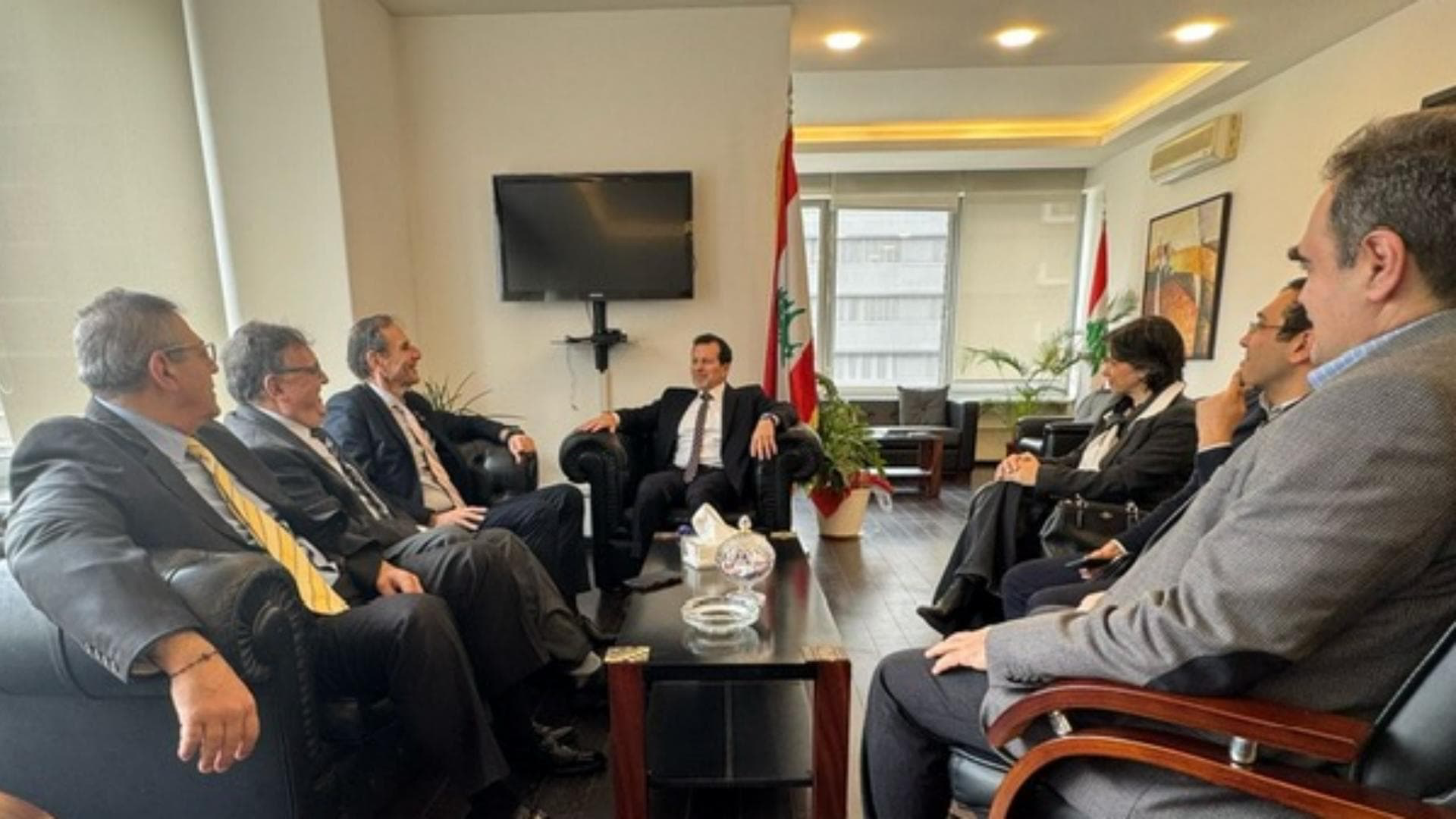
Minister of Displaced Persons, Minister of State for Technology and Artificial Intelligence Dr. Kamal Shehadi received MP Elias Hankash in his office at the ministry, where they discussed the most important situations. MP Hankash informed Minister Shehadi about the “work of the parliamentary technology committee.”
During a recent public address, the Minister of Displaced Persons and Technology & Artificial Intelligence emphasized the rare opportunity Lebanon currently faces—a chance that arises only once every 50 to 60 years—not merely for political reasons, but because of shifting regional dynamics and the critical situation inside Lebanon. “This is our moment to build a country that reflects who we are,” the minister said, explaining that Lebanon has struggled because its elite failed to shape the nation in a way that accommodates everyone.
He underlined the renewed determination to reclaim control over national borders, noting that Lebanon has not had full sovereignty over its boundaries in more than 55 years. He stressed the importance of a single, unified state in which decisions of war and peace are made solely by the government, following constitutional mechanisms. “We always talk about building a state. I urge you to think bigger—about building a republic,” he stated, emphasizing that a republic is governed by laws and institutions, and can thrive in either a democratic or dictatorial setting. Despite imperfections, the Lebanese republic stands among the few in the region and deserves to be preserved and improved.
A major milestone ahead, according to the minister, is the closure of the Ministry of Displaced Persons. He described the effort to end the ministry’s operations in a way that protects all stakeholders and finalizes outstanding administrative matters. If successful, this would mark the first time a ministry in Lebanon is closed in an organized and institutional manner—a sign, he argued, that Lebanon can indeed function as a flexible republic capable of adapting to evolving needs.
He then shifted focus to Lebanon’s newly established Ministry of Technology and Artificial Intelligence, emphasizing its role in building a digital infrastructure for the state. “Each ministry works on its own terms, its own systems. What we need is a unified digital infrastructure,” he explained, lamenting how digitized services are often paused or restarted with new administrations. The goal, he said, is to centralize digital services so that all government transactions—whether with the police, notaries, or visa renewals—can eventually be completed through a single app, eliminating the need for physical visits or stamps.
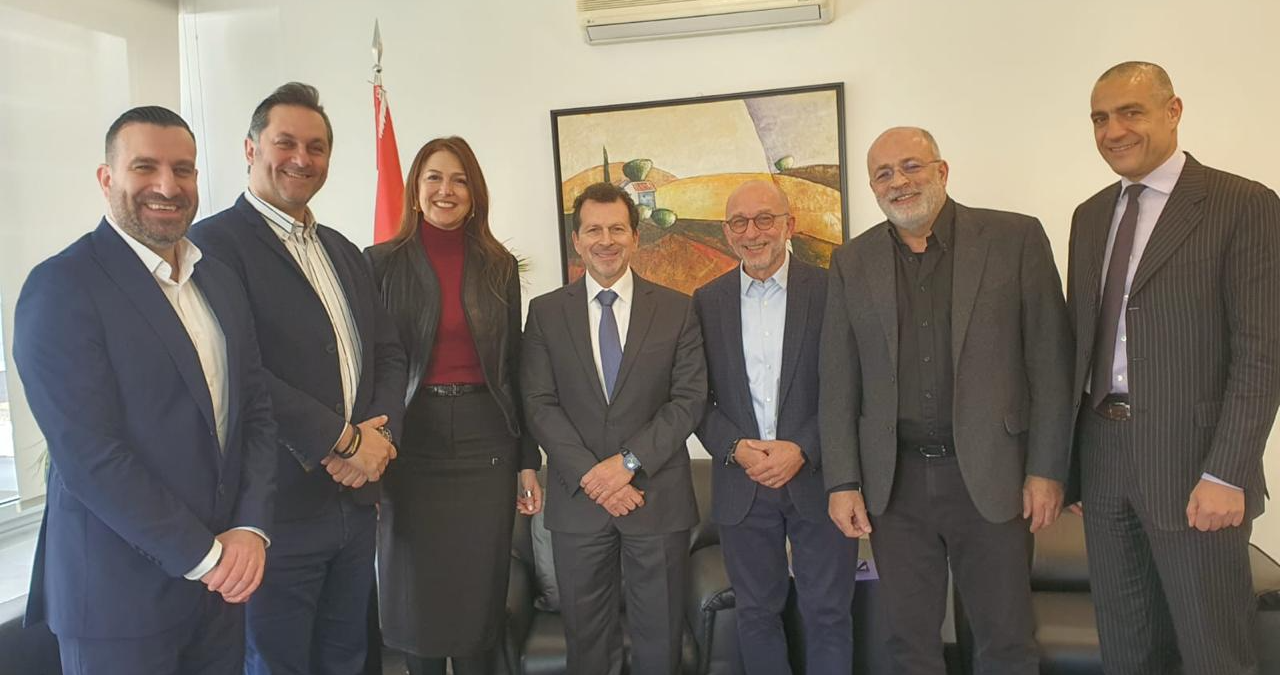
Envisioning a Lebanon where 80–90% of government transactions can be conducted digitally, the minister outlined the importance of a national digital identity, or e-ID. He noted the delay in launching this initiative stemmed from a lack of coordination between government agencies. For example, the Directorate of Personal Status and the General Security each maintain separate biometric databases that do not communicate. The minister is working closely with the Minister of Interior to ensure the e-ID becomes a reality within a year, pending funding.
The minister criticized outdated mindsets that rely on personal connections within ministries and emphasized that standardizing processes is essential. “Putting a service online is not enough. We need to continuously improve it,” he stressed, referencing how digital services in the UAE undergo regular upgrades. He called for high standards and clear goals from the outset, positioning the new ministry as a gateway to restoring Lebanon’s role as a leader in regional innovation.
He reminded the audience that Lebanon was once a hub for telecommunications talent, playing a key role in developing the region’s digital infrastructure. That legacy, he said, proves the capabilities of the Lebanese workforce. “Lebanese people abroad are highly skilled—they’ve learned to solve complex problems from a young age,” he added, referencing the adaptability and ingenuity required in Lebanon’s challenging environment.
The minister also discussed the diaspora’s enthusiastic response to his appointment. Many Lebanese professionals overseas reached out, offering support for digital transformation efforts. Among their priorities were attracting talent back to Lebanon, improving the regulatory environment, and generating economic growth through AI-focused initiatives.
As part of these efforts, the ministry has identified over 80 initiatives and plans to create a venture capital ecosystem to support AI startups, working in partnership with both the public and private sectors. “If you can take an initiative from A to Z, it’s yours to lead,” the minister told the audience. He also emphasized the importance of AI education and investment transparency, noting that Lebanon currently ranks 84 out of 85 globally in digital competitiveness and aims to break into the top 20 by 2025.
Key legislation—including a robust data protection law—is being prioritized to support this transformation. The minister explained that his main accountability this year is to deliver the necessary legal frameworks to Parliament, ensuring Lebanon keeps pace with international privacy and digital rights standards. He reiterated that the Lebanese can succeed globally when given fair and transparent systems.
Reflecting on the political climate, he acknowledged the challenges ahead, especially when dealing with bureaucracy. However, he expressed confidence in the Parliament’s awareness of the sector’s importance. “This is not a marathon; it’s an obstacle course,” he concluded. “We must be ready to climb over and blow up those obstacles.”